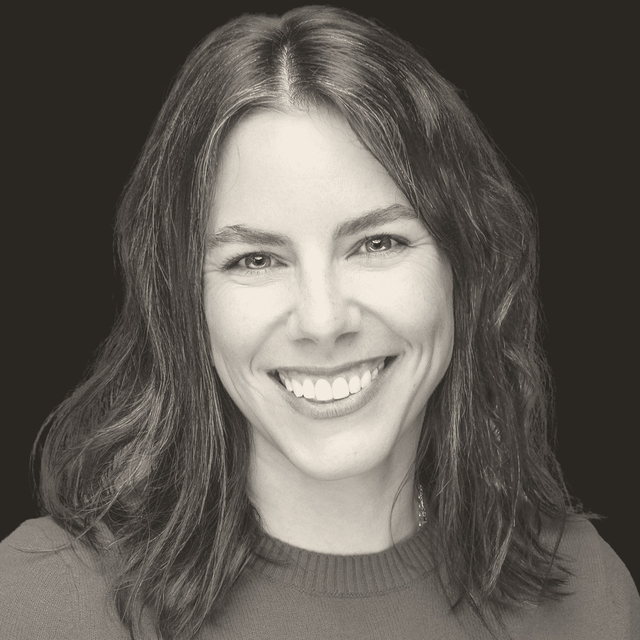
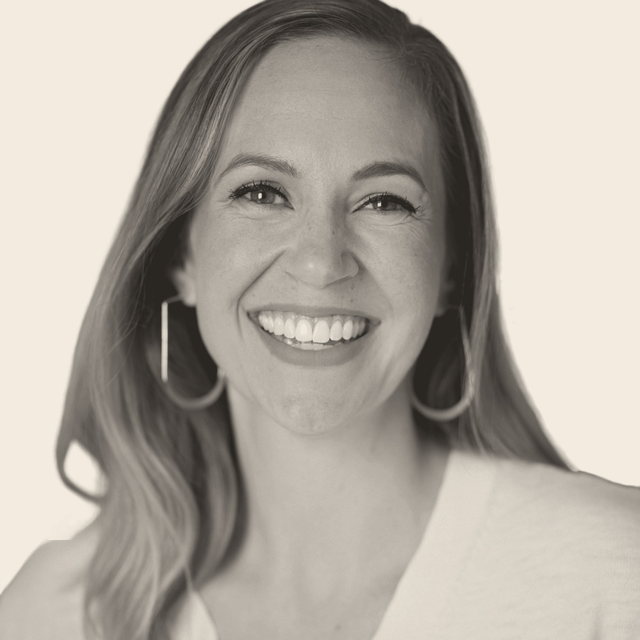
Katie and Paul met on the same piece of work: drafting the certification schemes that
providers and deployers of high-risk AI systems are measured against at ForHumanity.
Writing an audit criterion is a specific discipline. You cannot write one without
deciding what evidence would satisfy it, and that decision is where a regulation either
becomes a control or stays a paragraph.
Ed joined when the work turned to the hardest question in the EU AI Act. With a
consortium of thirteen authors we wrote our bid for the European Commission's tender on
modeling and evaluating sociotechnical risk in general-purpose AI: how a model's behavior
combines with the context it is placed in, and how you would assess that before the harm
rather than after it.
Lindsey came to the work from the public sector, where she had seen how easily a strong
policy can stall between adoption and implementation. Her focus was on what it takes to
make governance usable: bringing the right people into the room, giving them clear
responsibilities, and helping institutions act on what they learn.
Then the work moved. Through the UNDP's AI Trust and Safety Re-imagination Programme we
all worked on AI safety with teams in countries where the assumptions behind European and
American frameworks do not hold. In Samoa and in Rwanda, and in the other places the
program took us, the questions were different and more concrete. Whose language does
the model not speak? What does safety mean where a household shares one phone? None of it
could be answered from Brussels, and most of it had already been answered locally by
people nobody had asked.
We came back with the conviction the practice is built on. The gap in AI is not a gap in
ambition or in talent. It is a gap in capacity: the ability to specify a system, to test
it, to refuse it, and to keep the evidence afterward. The institutions with the least of
that capacity serve the most people, and they are the ones being asked to accept terms
they had no part in writing.
So we started Equitable Labs as a public benefit corporation, with a
mandate that describes the
benefit we exist to produce. Alongside it we started Goose FL, its technology practice, to
build the privacy-preserving AI infrastructure that lets institutions learn from one
another without moving their records.
Another advisory practice on its own would not change much. One that can write the
standard, test against it, and build the thing it recommends might.